Beyond the Bulk Feed Bay
Apr 30, 2026
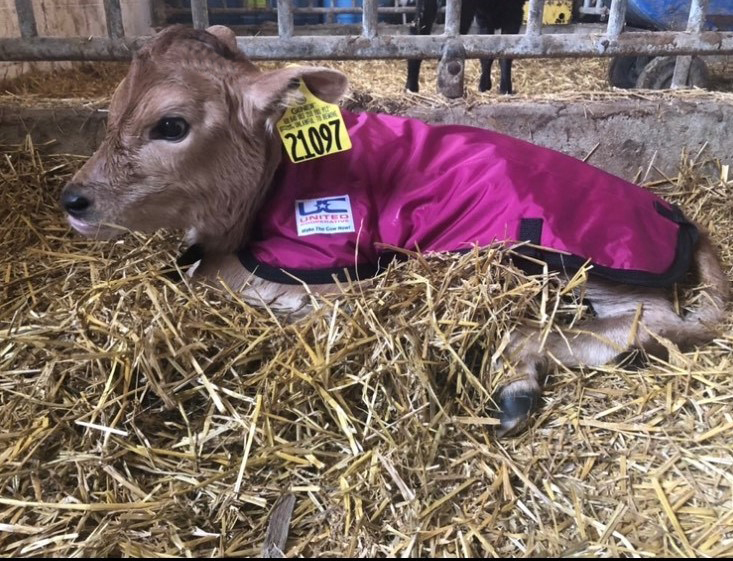
The feed industry is diverse, encompassing countless aspects from ingredients to manufacturing, and it plays a strong role in successful animal production. Animal nutrition is part of a complex interaction with genetics and environment to achieve optimal animal production. Nutrition serves as an input; genetics provide the potential; and the environment is managed. The interaction of these factors is why today’s best animal production relies heavily on the latest technologies in all aspects. As a feed supplier, United Cooperative works with technologies to improve not only nutrition and feed manufacturing but also offers value at the farmgate through technologies targeting environmental and management influences.
 On-farm feed inventory is a valuable part of animal nutrition. For ruminants and grazing animals, improving forage quality is vital to improving performance. The United Cooperative Feed Team offers a forage preservation portfolio to enhance on-farm inventories and preserve feed preparations during environmental stressors. As summer heat approaches, TMR stabilizer products are available in dry and liquid forms to help keep total mixed rations fresh and palatable for animals already stressed by environmental factors. The United Cooperative Forage Preservation portfolio includes a full line of premium inoculants to improve fermentation and preservation of ensiled forages. With the inoculant offering, the United Feed Team also provides technical support for forage audits that assess performance and the management of feed inventories. Plastics, forage covers, and acids for hay preservation are also included in the United Forage Preservation lineup.
 Improving the health and performance of young animals is an early step toward harnessing genetic potential to create a powerful phenotype. The world’s growing population is dependent on a food source that can produce more on fewer acres. The United Cooperative Feed Team includes technical specialists in young animal production. In addition to providing quality nutrition, the United Cooperative Team conducts farm audits to assess farm management, including feeding, sanitation, and animal housing, as well as animal growth benchmarking. While initial feed costs may be the deciding factor at the time of feed purchases, benchmarking growth by weighing young animals at each growth stage and documenting average daily gains helps assess the true cost of gain. These are powerful tools for improving the return on investment in influential genetics and nutrition, as well as for having animals contribute to the food chain at a younger age.
 The United Cooperative Feed Team has many tools and standard line products to provide value and answer management needs on the farm. The United Cooperative Team is versatile, with scheduling on-farm deliveries to reduce a farm’s time and labor spent sourcing multiple products from various sites. Feeding equipment, such as bulk bins, liquid feed equipment, and parts, is also available to improve feed handling, reduce shrinkage, and increase efficiency. The standard delivery system for packaged goods is available on a routine basis to deliver bagged feed products, like milk replacer or feed ingredients. These trucks also deliver other farm supply products that may not be readily considered. United Cooperative Feed locations have strong relationships with salt suppliers for bulk feed use, which helps the cooperative provide other salt products, such as water-softener salt and ice-melt products. Forage preservation products can be delivered, as can hoof health products like copper sulfate. While prominent in Wisconsin’s dairy industry, United Cooperative also offers standard line products for most livestock, including beef, small ruminants, and poultry. In addition to supporting bulk and bagged feed deliveries, United Cooperative also offers producers and nutrition consultants contracting plans for risk management. United Cooperative continues to evolve to keep pace with today’s feed industry, so our patrons can Rely On Us.
On-farm feed inventory is a valuable part of animal nutrition. For ruminants and grazing animals, improving forage quality is vital to improving performance. The United Cooperative Feed Team offers a forage preservation portfolio to enhance on-farm inventories and preserve feed preparations during environmental stressors. As summer heat approaches, TMR stabilizer products are available in dry and liquid forms to help keep total mixed rations fresh and palatable for animals already stressed by environmental factors. The United Cooperative Forage Preservation portfolio includes a full line of premium inoculants to improve fermentation and preservation of ensiled forages. With the inoculant offering, the United Feed Team also provides technical support for forage audits that assess performance and the management of feed inventories. Plastics, forage covers, and acids for hay preservation are also included in the United Forage Preservation lineup. Improving the health and performance of young animals is an early step toward harnessing genetic potential to create a powerful phenotype. The world’s growing population is dependent on a food source that can produce more on fewer acres. The United Cooperative Feed Team includes technical specialists in young animal production. In addition to providing quality nutrition, the United Cooperative Team conducts farm audits to assess farm management, including feeding, sanitation, and animal housing, as well as animal growth benchmarking. While initial feed costs may be the deciding factor at the time of feed purchases, benchmarking growth by weighing young animals at each growth stage and documenting average daily gains helps assess the true cost of gain. These are powerful tools for improving the return on investment in influential genetics and nutrition, as well as for having animals contribute to the food chain at a younger age. The United Cooperative Feed Team has many tools and standard line products to provide value and answer management needs on the farm. The United Cooperative Team is versatile, with scheduling on-farm deliveries to reduce a farm’s time and labor spent sourcing multiple products from various sites. Feeding equipment, such as bulk bins, liquid feed equipment, and parts, is also available to improve feed handling, reduce shrinkage, and increase efficiency. The standard delivery system for packaged goods is available on a routine basis to deliver bagged feed products, like milk replacer or feed ingredients. These trucks also deliver other farm supply products that may not be readily considered. United Cooperative Feed locations have strong relationships with salt suppliers for bulk feed use, which helps the cooperative provide other salt products, such as water-softener salt and ice-melt products. Forage preservation products can be delivered, as can hoof health products like copper sulfate. While prominent in Wisconsin’s dairy industry, United Cooperative also offers standard line products for most livestock, including beef, small ruminants, and poultry. In addition to supporting bulk and bagged feed deliveries, United Cooperative also offers producers and nutrition consultants contracting plans for risk management. United Cooperative continues to evolve to keep pace with today’s feed industry, so our patrons can Rely On Us.